Italy
Italy is full of beautiful places to explore, from historic cities and peaceful countryside to scenic coastlines and mountain landscapes. Whether you’re wandering through Rome’s ancient ruins, enjoying views in the Dolomites, or relaxing by the sea in Puglia, Italy is packed with culture, architecture, and amazing food.


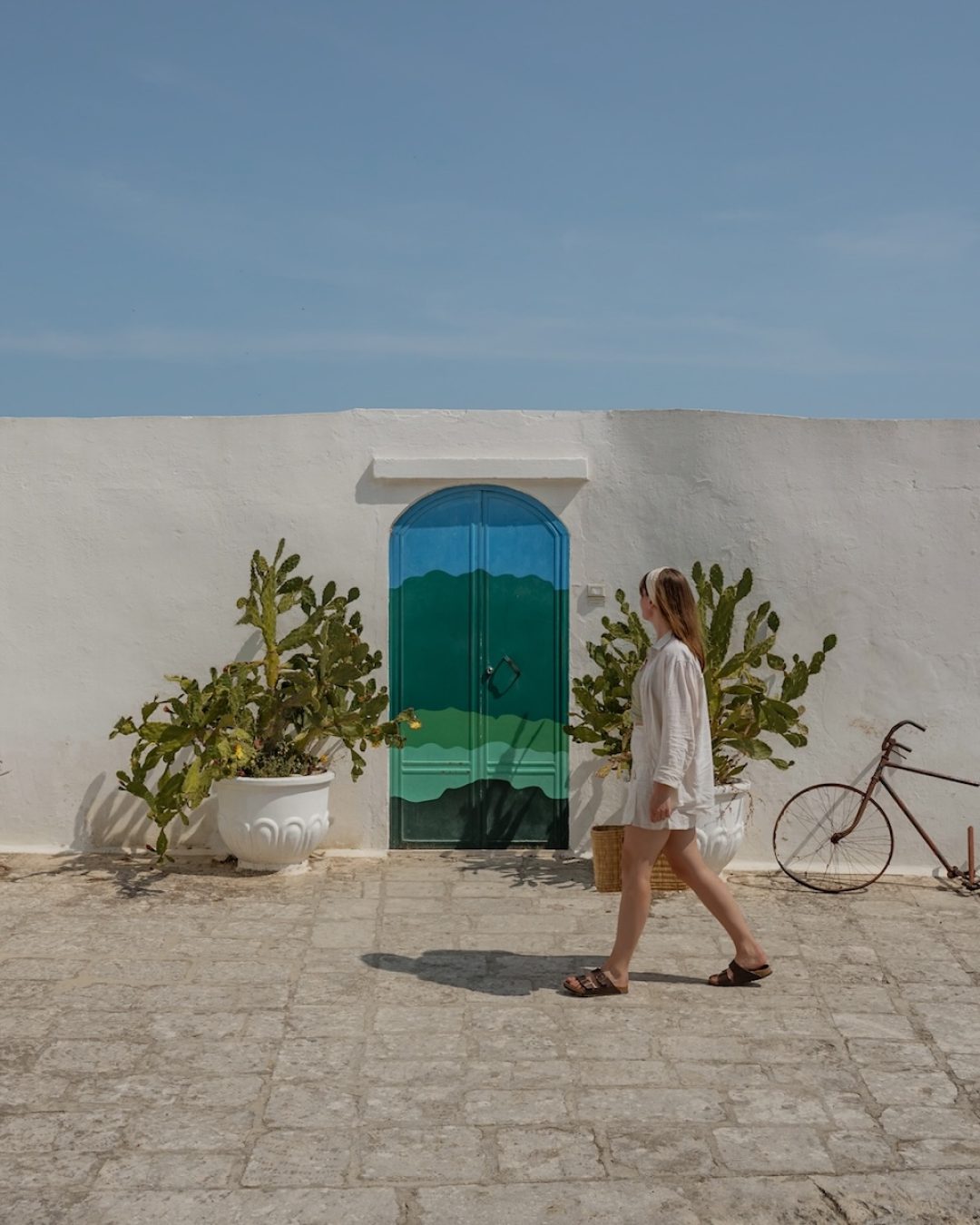
Weather in Italy
Italy’s diverse geography results in varied climates. The north experiences cold winters and hot summers, while the south enjoys milder winters and very hot summers.
For cultural exploration and sightseeing, the shoulder seasons offer comfortable temperatures and fewer crowds, ideal for cities like Rome, Florence, and Venice. Beach holidays are great during late summer, though it can be hot, especially in the south. Winter is suitable for skiing in the Alps and Dolomites.
Average daytime temperatures
Average daytime temperatures
Map of Italy
Common Phrases
Hello
Ciao
Thank you
Grazie
Cheers
Saluti
Yes / no
Sì / no
Practical Information
Best time to visit
Spring and autumn offer pleasant weather and fewer crowds
Currency
Euro (€)
Language
Italian is the official language, learning a few basics is appreciated
How to get around
Trains are great for cities, car rental is perfect for countryside regions
Electricity
230V, plug types C, F, and L
Safety
Generally safe, but keep an eye on your belongings in tourist hotspots
Cuisine highlight
Expect more than pizza and pasta
When is the best time to visit Italy?
For city breaks, April–May and September–October offer mild weather and fewer crowds, which is ideal for sightseeing and museum visits.
Beach holidays are best enjoyed from late June to early September, perfect for sun and sea, though August can be very hot and busy. Early September is a sweet spot.
June and September–October are beautiful for vineyard visits, scenic drives, and food festivals in regions like Tuscany and Umbria.
December to March is the best time for snow, with plenty of ski resorts and charming alpine villages in the Dolomites and the Italian Alps.
Do I need a visa to visit Italy?
Citizens from the EU, UK, US, Canada, Australia and many other countries can stay in Italy visa-free for up to 90 days within a 180-day period. Your passport should be valid for at least three months beyond your planned departure. It’s always worth checking with your local Italian embassy for the most current visa information.
What is the currency in Italy and how do payments work?
Italy uses the Euro (€). Credit and debit cards are widely accepted, especially in cities and larger towns. However, having cash is useful in rural areas, markets, small cafés, or when paying for things like parking. ATMs (bancomat) are easily found and often offer better rates than currency exchange desks.
How much does a trip to Italy cost?
- Accommodation:
- Budget B&Bs: from €50
- Mid-range hotels: €100–€200
- Luxury stays: €250+
- Meals:
- Pizza or pasta at a trattoria: €10–€18
- Aperitivo with drinks and snacks: €8–€15
- Multi-course dinner: €30–€60 per person
- Transport:
- Train between major cities: €10–€50
- Car hire: from €30/day
- Coffee:
- Espresso at the bar: €1
- Cappuccino: €1.50–€2.50 (just don’t order one after 11 AM 😉)
- Attractions:
- Museums and landmarks: €5–€20
How do I travel around Italy?
- Trains: Fast, scenic, and often the best way to travel between major cities. Look into Trenitalia and Italo for high-speed options.
- Car hire: Best for exploring countryside and hilltop villages, especially in regions like Tuscany, Umbria, and Sicily. Be mindful of ZTL zones (limited traffic areas) in towns.
- Local transport: Buses, metros, and trams are available in most cities. Buy and validate tickets in advance.
Is Italy safe?
Yes, Italy is a safe country to travel in. The biggest risk is pickpocketing, especially in tourist-heavy areas like Rome’s Termini Station or busy public transport. Be aware of your surroundings and keep valuables secure.
Do I need any vaccinations?
No special vaccinations are needed. Standard vaccines (like tetanus and measles) should be up to date. Italy has a good public healthcare system, and pharmacies are easy to find if you need basic medication or advice.
Can I drink the tap water in Italy?
Yes! Tap water is safe to drink throughout the country. In Rome and many other cities, you’ll also find charming public fountains (known as nasoni) offering fresh, drinkable water.
What should I eat in Italy?
Italian food varies wildly by region and is all about fresh, local ingredients. Here are some iconic dishes to try:
- Pizza: Born in Naples, a proper Neapolitan pizza is a must.
- Pasta: From carbonara in Rome to tagliatelle al ragù in Bologna.
- Lasagne: layers of pasta with ragù, béchamel, and cheese
- Risotto alla Milanese: creamy saffron risotto, traditionally from Milan
- Tagliatelle al Ragù: often called Bolognese, best tried in Bologna
- Parmigiana di Melanzane: baked aubergine with tomato, mozzarella, and Parmesan
- Tiramisu: coffee-soaked sponge with mascarpone and cocoa
- Gelato: Italian-style ice cream. Softer and more intense in flavour than regular ice cream
- Prosciutto crudo: thinly sliced cured ham, often served with melon
- Arancini: deep-fried rice balls with various fillings (Sicily)
- Focaccia: fluffy olive oil-rich bread, often topped with herbs or tomatoes
- Aperol Spritz: a refreshing aperitivo made with Aperol, Prosecco, and soda
Any tips on local etiquette?
- Coffee culture: Italians usually drink espresso standing at the bar. Cappuccino is for breakfast – ordering one after 11 AM is a giveaway you’re a tourist
- Tipping: Not obligatory, but rounding up or leaving a small tip is appreciated.
- Dress code: Italians dress smartly, and churches often require covered shoulders and knees.
- Greetings: A handshake is standard; air kisses are common among friends.
- Dining: Dinner often starts after 8 PM. Bread is for the table, not for dipping in oil (unless you’re in Tuscany!).
What power plugs do I need?
Italy uses plug types C, F, and L. The voltage is 230V. A European two-pin adapter works in most cases, but a universal adapter is handy if you’re travelling across several countries.
Fun facts about Italy
- Cappuccino etiquette: Italians rarely drink cappuccino after 11 AM. Milk-based drinks are for breakfast only!
- Oldest university: The University of Bologna, founded in 1088, is the oldest in continuous operation in the world.
- Most UNESCO World Heritage Sites: Italy has 59, more than any other country, from the Colosseum and Pompeii to the Dolomites and the trulli of Alberobello.
- Europe’s only active volcanoes: Etna, Stromboli, and Vesuvius all call Italy home.
- Birthplace of the piano: Invented by Bartolomeo Cristofori in Florence around 1700.
- No pineapple on pizza! Italians take their food traditions seriously, some toppings are best avoided if you want to blend in.